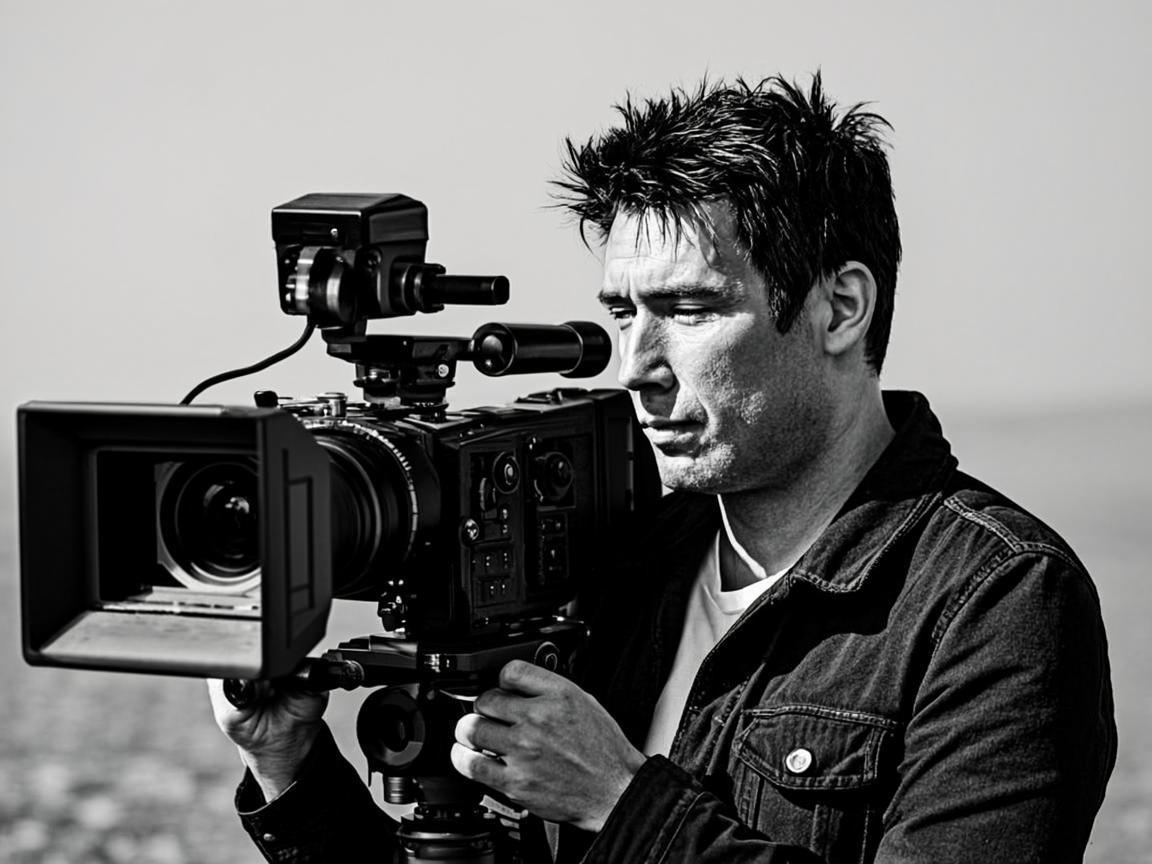
Visual storytelling is the foundation of cinema. Before a single word of dialogue is spoken, the camera has already begun telling the story — through composition, movement, light, and the deliberate arrangement of elements within the frame. Understanding how to harness these tools is what separates a competent technician from a true visual storyteller.
Composition as Language
Every framing decision communicates something to the audience. A wide shot establishes context and isolation, while a close-up creates intimacy and intensity. The rule of thirds, leading lines, and negative space aren't just compositional guidelines — they're a visual grammar that audiences have been trained to read intuitively through decades of cinematic viewing. When we place a subject off-center, we create tension. When we fill the frame, we create claustrophobia. These are deliberate choices that shape how the story is received.
The most powerful compositions often feel effortless, as though the camera simply happened to be in the right place at the right time. But behind every seemingly natural frame lies hours of consideration — about what to include, what to exclude, and how the arrangement of visual elements will guide the viewer's emotional response.
Every frame should be intentional. If you can't explain why something is in the frame, it shouldn't be there.
Light as Emotion
Light is perhaps the most versatile tool in a filmmaker's visual arsenal. Hard light creates drama and conflict. Soft light suggests comfort and safety. The direction of light — whether it falls from above, from the side, or from below — fundamentally alters how we perceive a subject. Even the color temperature of light carries emotional weight: warm tones suggest nostalgia and intimacy, while cool tones evoke distance and objectivity.
In practice, lighting decisions are rarely made in isolation. They work in concert with composition, performance, and production design to create a cohesive visual world. The best cinematographers understand that light doesn't just illuminate a scene — it gives it meaning. A single shaft of light cutting through darkness can transform an ordinary moment into something extraordinary, revealing character and advancing the story without a single word.
Movement as Narrative
Camera movement is storytelling in motion. A slow push-in draws us closer to a character's inner world, building empathy and tension simultaneously. A sweeping crane shot can convey freedom, scale, or the overwhelming nature of a situation. Even the absence of movement — a locked-off, static frame — makes a statement, demanding that the audience focus on what's happening within the frame rather than being guided by the camera.
The key principle is that movement should always serve the story. A camera that moves simply because it can is a distraction; a camera that moves because the story demands it becomes invisible. The audience shouldn't notice the technique — they should feel its effect. When movement and narrative are perfectly aligned, the result is cinematic magic: the audience is transported without ever being aware of the mechanism.